 Image 1 of 2
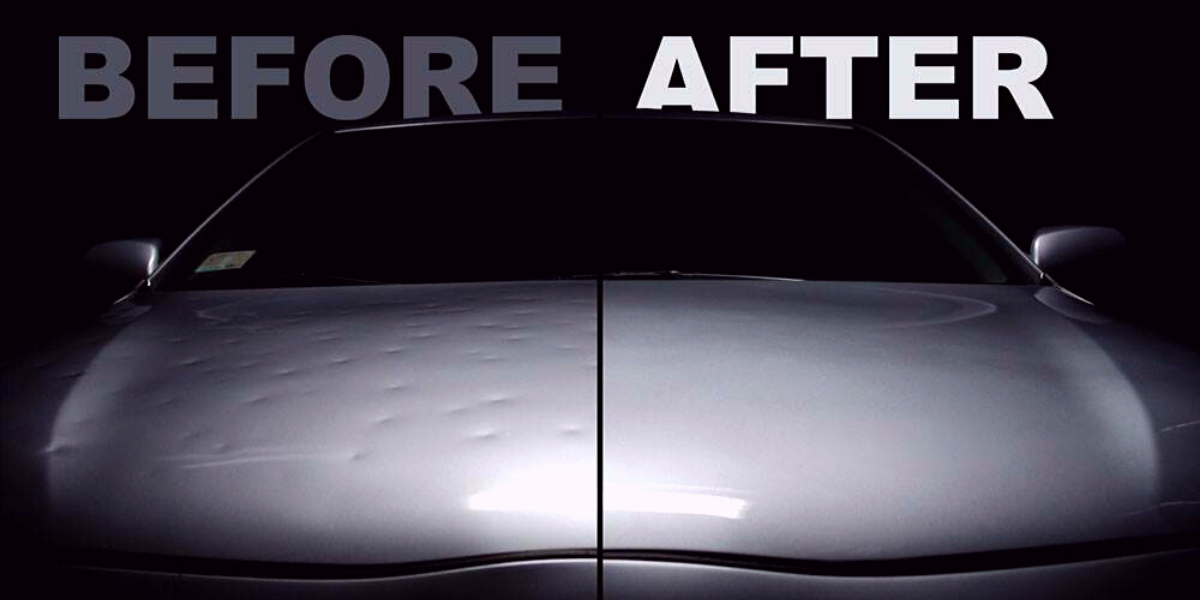 Image 2 of 2
Paintless dent repair (PDR) is a specialized method for removing minor dents, dings, and creases from vehicle body panels without the need for sanding, filling, or repainting. Technicians use precision tools to gently massage the metal back to its original shape from behind the panel or through carefully positioned access points. The process preserves the factory paint finish and maintains the structural integrity and value of the vehicle.
Key features and benefits
Paint preservation: Because no repainting is required, the original factory finish is kept intact, avoiding paint-matching issues and maintaining a vehicle’s resale value.
Cost-effective: PDR generally costs less than traditional body repair because it eliminates materials, labor-intensive prep work, and paint.
Faster turnaround: Many PDR jobs can be completed in a few hours or a single day, depending on the size and location of the damage.
Environmentally friendly: The process uses no solvents, fillers, or paints, reducing chemical waste and emissions.
Suitable damage types: Best for minor dents caused by hail, door dings, minor collisions, and pressure dents. Works best on panels with flexible metal and intact paint.
Limitations
Depth and severity: Deep creases, large deformation, or heavily stretched metal may not be fully repairable with PDR.
Paint damage: If the paint is cracked, flaking, or otherwise compromised, PDR alone is not appropriate—traditional body repair or touch-up paint may be required.
Access and panel construction: Some panels (e.g., certain aluminum or plastic components, or areas with limited access behind the panel) can complicate or prevent PDR.
Previous repairs: Panels that have been previously repaired, filled, or repainted can reduce the effectiveness of PDR.
Typical PDR process
Inspection: Technician assesses dent size, location, paint condition, and access to the backside of the panel.
Access: Remove interior panels, trim, or lights as needed to reach the backside of the damaged area.
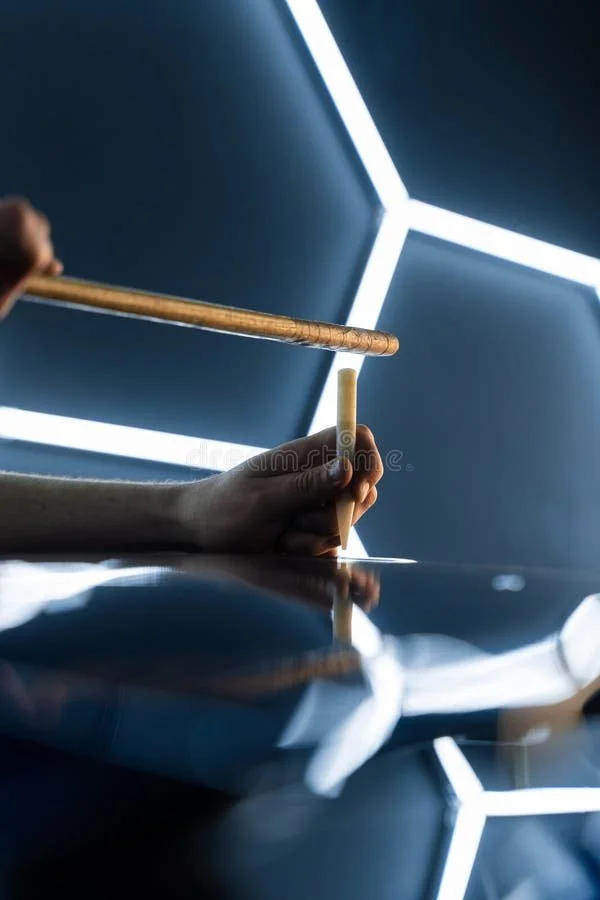
Tooling and technique: Use a selection of rods, picks, and tapping tools to gradually massage the metal back to shape, often aided by light reflection boards to monitor progress.
Finishing: Fine adjustments and paintless blending eliminate small high spots; final inspection ensures a smooth surface and restored appearance.
When to choose PDR
Choose PDR when dents are shallow, paint is intact, and access to the backside of the panel is possible. It’s an excellent option for hail damage, door dings, and small impact marks when preserving the original finish and minimizing cost and downtime are priorities.
For an accurate recommendation, or for more information give us a call!
Paintless dent repair (PDR) is a specialized method for removing minor dents, dings, and creases from vehicle body panels without the need for sanding, filling, or repainting. Technicians use precision tools to gently massage the metal back to its original shape from behind the panel or through carefully positioned access points. The process preserves the factory paint finish and maintains the structural integrity and value of the vehicle.
Key features and benefits
Paint preservation: Because no repainting is required, the original factory finish is kept intact, avoiding paint-matching issues and maintaining a vehicle’s resale value.
Cost-effective: PDR generally costs less than traditional body repair because it eliminates materials, labor-intensive prep work, and paint.
Faster turnaround: Many PDR jobs can be completed in a few hours or a single day, depending on the size and location of the damage.
Environmentally friendly: The process uses no solvents, fillers, or paints, reducing chemical waste and emissions.
Suitable damage types: Best for minor dents caused by hail, door dings, minor collisions, and pressure dents. Works best on panels with flexible metal and intact paint.
Limitations
Depth and severity: Deep creases, large deformation, or heavily stretched metal may not be fully repairable with PDR.
Paint damage: If the paint is cracked, flaking, or otherwise compromised, PDR alone is not appropriate—traditional body repair or touch-up paint may be required.
Access and panel construction: Some panels (e.g., certain aluminum or plastic components, or areas with limited access behind the panel) can complicate or prevent PDR.
Previous repairs: Panels that have been previously repaired, filled, or repainted can reduce the effectiveness of PDR.
Typical PDR process
Inspection: Technician assesses dent size, location, paint condition, and access to the backside of the panel.
Access: Remove interior panels, trim, or lights as needed to reach the backside of the damaged area.
Tooling and technique: Use a selection of rods, picks, and tapping tools to gradually massage the metal back to shape, often aided by light reflection boards to monitor progress.
Finishing: Fine adjustments and paintless blending eliminate small high spots; final inspection ensures a smooth surface and restored appearance.
When to choose PDR
Choose PDR when dents are shallow, paint is intact, and access to the backside of the panel is possible. It’s an excellent option for hail damage, door dings, and small impact marks when preserving the original finish and minimizing cost and downtime are priorities.
For an accurate recommendation, or for more information give us a call!